A Closer Look at Women's Wellness Habits

What Your Kitchen Shelf—Baking Soda e Gelatin—Reveals About Women's Changing Metabolism

It’s 7am, the kettle is on, and your jeans fit differently than they did last year. This short video walks through why baking soda e gelatin have quietly become part of many women’s daily routines, and what’s actually happening inside the body as it changes.

Women's Wellness  ·  Natural Habits  ·  Educational Content  ·  Women's Wellness

Your Body Isn't Being Difficult. It's Changing.

Somewhere between your twenties and now, the rules quietly shifted. Here’s what’s actually going on beneath the surface.

Collagen Doesn't Ask Permission

Collagen production slows gradually with age, which can affect skin, joints, and connective tissue long before you notice it in the mirror.

Saciety Feels Different Now

Hunger and fullness signals can shift over time, which is why the portions that used to satisfy you may not feel the same anymore.

Muscle Mass Quietly Declines

Lean muscle tends to decrease gradually with age, which can change how your body looks and feels even without a change in weight.

Traditional Dieting Ignores All of This

Most diet advice was designed decades ago, before we understood how collagen, satiety, and muscle composition change for women over time.

Metabolism Myths That Keep Women Stuck

A lot of what’s repeated about women’s metabolism doesn’t hold up. Let’s separate the noise from what’s actually understood.

MYTH

Metabolism only slows down because of age.

FACT

Hormones, muscle mass, sleep, and stress all play a role — age is only one part of a much bigger picture.

MYTH

Eating less is always the answer.

FACT

Chronic under-eating can affect energy and mood, and doesn’t address the underlying shifts in satiety and body composition.

MYTH

Collagen only matters for skin.

FACT

Collagen is also a structural protein found in joints, tendons, and connective tissue throughout the body, not just the face.

A Simple Framework, Not a Strict Rulebook

This isn’t about overhauling your life overnight. It’s about small, repeatable habits explained step by step.

01

Understand What's Changing First

Before changing anything, it helps to understand why satiety, collagen, and muscle composition shift for women over time.

02

Introduce Small, Consistent Habits

The video explains how simple daily habits — including how baking soda e gelatin are traditionally used — fit into a broader wellness routine.

03

Track How You Feel, Not Just the Scale

Energy, digestion, and how your clothes fit often tell a more complete story than a number alone.

An Old Kitchen Tradition, Revisited

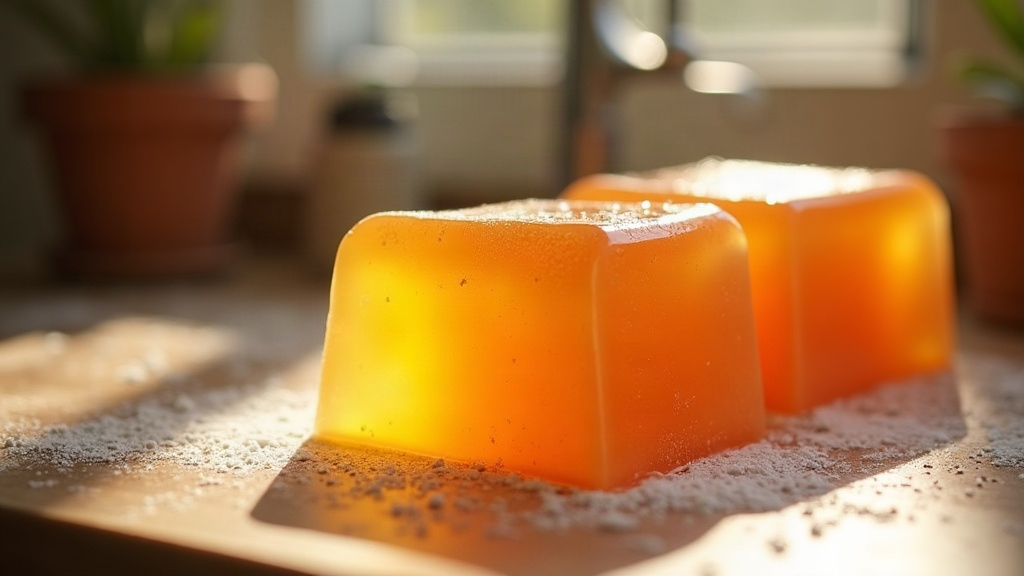
Long before wellness trends had names, home cooks relied on simple pantry staples passed down through generations. Gelatin came from slow-simmered bones and connective tissue, valued for its protein content. Baking soda sat quietly in the cupboard, used for everything from baking to digestion. Neither was ever marketed as a miracle — they were just part of how kitchens worked.

The renewed interest in baking soda e gelatin isn’t a new discovery. It’s a return to ingredients that were common in kitchens for generations, now being looked at through a modern, educational lens.

Six Signs Your Body Might Be Sending

Hunger That Shows Up Too Soon

Feeling hungry again shortly after eating can be a sign that satiety signals have shifted.

Skin That Feels Less Resilient

Changes in skin firmness or texture are often linked to gradual shifts in collagen levels.

Joints That Feel Stiffer

Morning stiffness or achiness in joints can relate to changes in connective tissue over time.

Weight That Shifts Without Explanation

Clothes fitting differently even without major diet changes can point to shifts in body composition.

Energy That Dips Mid-Afternoon

A consistent energy slump can sometimes reflect broader changes in metabolism and sleep quality.

Nails That Break More Easily

Brittle or slow-growing nails are sometimes associated with lower collagen and protein intake.

What Some Women Have Shared

I didn't realize how little I understood about my own body until I watched this. It explained things my doctor never had time to.

Renata M.
Illustrative account
The part about collagen and joints made a lot of things click for me. I finally understood why I felt the way I did.
Isabel T.
Illustrative account
It's a simple, calm explanation without the usual pressure or hype. I appreciated that it just laid out the information.
Camila S.
Illustrative account

Testimonials reflect individual experiences and opinions. Individual results may vary, and these statements are not a guarantee of any specific outcome.

Common Questions Before You Watch

Hydrolyzed gelatin is gelatin that has been broken down into smaller protein components, making it easier for the body to incorporate into a daily routine.

No. The video discusses changes that can be relevant to women broadly, without focusing on a specific age range.

No. This content is educational and focuses on understanding metabolism, satiety, and body composition — not on promising any specific result.

The video explores how both ingredients have traditional culinary uses and why they’ve resurfaced in modern wellness conversations.

No. Nothing discussed is intended to diagnose, treat, cure, or prevent any disease or medical condition.

It’s a short, straightforward explanation designed to respect your time while covering the key concepts clearly.

No. Everything discussed uses common kitchen items and simple, everyday habits.

Ready to Understand What's Really Going On?

Watch the short explanation now and see why baking soda e gelatin have become part of the conversation around women’s wellness.

Advertising Disclosure: This page contains sponsored content and affiliate links. We may receive compensation if you make a purchase through links provided on this site. This helps support the operation of this website at no additional cost to you.

Content Disclaimer: The content on this page is for educational and informational purposes only. It has not been evaluated by the FDA. Nothing on this page is intended to diagnose, treat, cure, or prevent any disease or medical condition. Always consult a qualified healthcare professional before making changes to your diet, exercise, or wellness routine.

Results Disclaimer: Individual results may vary. Any testimonials or examples shared reflect personal experiences and are not a guarantee of any specific outcome for you.

© 2026 · All Rights Reserved · /contact/